
Rapid, Safe and Effective Vaccines for Global Health

Michael Artinger, PhD – CEO
Dr. Artinger is an experienced life science professional, with decades of his career dedicated to creating new, life-saving therapeutics and vaccines. He is EVP and Managing Director of VIC Technology Venture Development, which creates and develops innovative life science companies based on technologies exclusively licensed from top research institutions worldwide. Examples of prior roles include high-impact positions at Sartorius, University of California, Decision Resources, and Genome Therapeutics. Dr. Artinger conducted his postdoctoral training at Harvard Medical School, and received his PhD and BA from the University of California where he was an NSF Undergraduate Research Fellow.
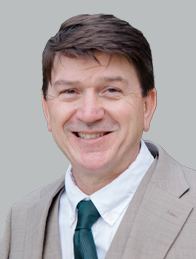
Jonathan Rayner, PhD – CSO
Dr. Rayner is an Associate Professor in the Department of Microbiology and Immunology, and Director of the Laboratory of Infectious Diseases (LID) at the University of South Alabama. He earned his PhD in Microbiology from Colorado State University in 1998 and completed post-doctoral research with the CDC and the U.S. Army Medical Research Institute of Infectious Diseases, focusing on vaccine development. Dr. Rayner worked as a Research Scientist at AlphaVax, Inc., optimizing vaccine platforms, before joining MRIGlobal in 2005, where he expanded his research to therapeutic drug development. In 2012, he joined Southern Research, overseeing infectious disease research and serving as Principal Investigator on contracts with the NIH and BARDA. Since 2017, at the University of South Alabama, his research focuses on antiviral therapeutics and vaccines for viruses like chikungunya, Zika, influenza, and SARS-CoV-2, funded by various government and commercial entities.

Olivia Asfaha, PhD – Director, Operations
Dr. Asfaha is a pharmacologist and biochemist with 10+ years of experience leading research on novel therapeutic strategies. She has published 17 peer-reviewed manuscripts and acquired 3 NIH funding awards (National Research Service Award and Small Business Innovation Research) as principal investigator. Dr. Asfaha received her PhD in Pharmacology and Toxicology from the University of California, Davis, and then conducted a Postdoctoral Fellowship at the University of Colorado, Anschutz Medical Campus. She now coordinates operations and research strategy at Solaris Vaccines to advance SolaVAX-inactivated vaccines to the clinic.

Taru Dutt, PhD – Director, Bacteria Countermeasures
Dr. Taru Dutt is an Assistant Professor in the Department of Pathology, Division of Laboratory Medicine, at the University of Alabama at Birmingham. She earned her PhD in Immunology from India and completed her postdoctoral training at Colorado State University, focusing on tuberculosis vaccine development. Dr. Dutt has expertise in host-pathogen interactions, mucosal immunity, and vaccine development. Her research focuses on how immune responses shape outcomes during chronic bacterial infections such as Mycobacterium tuberculosis and non-tuberculous mycobacteria, with the goal of informing vaccine and immunotherapy design. She employs in vivo and in vitro models alongside advanced immunological tools to dissect the mechanisms of host protection and bacterial pathogenesis. At Solaris Vaccines, she guides the development of next-generation bacterial countermeasures aimed at preventing and treating chronic bacterial diseases.

Calvin Goforth, PhD – Member, Board of Directors
Goforth has extensive experience in start-up company development in founder, investor, board member, and executive roles. In these roles, he has raised tens of $millions in capital, helped bring several high value products from concept to market, and helped bring multiple companies to exit events. He received a BS in Aerospace Engineering with Highest Honors from the University of Texas at Austin. Early in his career, Dr. Goforth held positions at NASA (where he worked alternate semesters while pursuing his BS) and Rocketdyne, where he worked in the space shuttle main engine performance analysis group. He later received his PhD in Mechanical Engineering with a minor in Electrical Engineering from Stanford University. He then returned to his home state of Arkansas and took a position as an Assistant Professor in Mechanical Engineering at the University of Arkansas. There, he received the school’s Halliburton Outstanding Researcher Award in Mechanical Engineering for three straight years.